





Choosing between the East Coast and the West Coast is one of the most consequential decisions a household can make. It shapes your daily commute, your monthly budget, your tax bill, and ultimately, the kind of life you are able to build. The financial differences between these two regions run far deeper than rent prices alone. This guide breaks down the 2026 real estate landscape, from rental costs and upfront move-in fees to property taxes and state income brackets, so you can walk into your next chapter with your eyes wide open.
The 2026 Housing Market: Where Things Actually Stand
The national housing market in 2026 has entered a period of measured recalibration. Mortgage rates hovering around 6% have cooled the frenzied bidding wars of recent years, and median prices have stabilized in many parts of the country. That said, neither the East Coast nor the West Coast ever really follows national averages. Both regions remain among the most expensive and competitive real estate ecosystems in the United States, though they operate in very different ways.
The East Coast: Dense, Historic, and Holding Firm
From the storied neighborhoods of Boston down through New York City and into Washington D.C., the East Coast housing market is built on age, density, and relentless corporate demand. In 2026, stricter return-to-office mandates have breathed new life into urban cores, pulling workers back to city centers and reigniting competition for well-located housing.
Inventory is the defining challenge here. Geographical constraints, rivers, coastlines, and centuries of established infrastructure leave little room for new construction. What exists is largely what has always existed: older buildings with real character, but often lacking the modern conveniences renters and buyers expect today.
Commuter suburbs in New Jersey, Connecticut, and Massachusetts are currently experiencing some of the most competitive buyer activity in the region. Families are actively seeking neighborhoods that balance a manageable commute with access to top-rated public schools, and inventory in those pockets is being absorbed quickly.
The West Coast: Premium, Spacious, and Slightly Softer
The West Coast tells a different story. Seattle, San Francisco, and Southern California have long outpaced the rest of the country in property value growth, but 2026 has brought a modest cooling, particularly in northern tech hubs where industry restructuring and outbound migration to the Sun Belt have left a small surplus of new, high-end rental inventory.
For renters, that surplus is actually good news. Some urban apartment complexes are offering move-in concessions not commonly seen in recent years, including weeks of free rent for qualified tenants.
For buyers, the barriers remain steep. California’s median home price continues to sit above $750,000, making it one of the most expensive places to own property in the world. A slight market softening has not meaningfully changed that reality.
Renting on the Coasts: What You Actually Pay Upfront
Renting first is almost always the smartest move when relocating cross-country. It gives you time to learn a new city, explore neighborhoods, and make a better-informed buying decision later. But the upfront costs of securing a rental can vary dramatically depending on which coast you land on.
East Coast Rentals: The Broker Fee Trap
On the East Coast, you are paying a premium for proximity, transit access, and urban energy. Space is at a premium. Modern amenities like in-unit laundry or central air conditioning are genuinely uncommon in older buildings, which make up the majority of rental stock.
Monthly rents in desirable neighborhoods of major East Coast cities currently sit between $3,500 and $4,500 for a standard one-bedroom apartment.
The bigger shock for newcomers, though, is the broker fee. In cities like New York and Boston, it is standard practice for the tenant (not the landlord) to pay this fee, which typically amounts to 12% to 15% of the annual rent. Add in first month’s rent and a security deposit, and securing a $4,000-per-month apartment can require $12,000 to $15,000 in cash on signing day. That is a number that catches many out-of-state renters completely off guard.
West Coast Rentals: Fewer Fees, More Amenities
The West Coast rental experience is structurally different. Monthly rents in major metros tend to range from $2,800 to $3,800 for a comparable one-bedroom, and the housing stock is generally far newer. Renters are much more likely to find units with central air conditioning, smart-home features, and access to community amenities like a fitness center or rooftop terrace.
More importantly, the dreaded broker fee does not exist on the West Coast. Move-in costs are typically limited to first month’s rent and a security deposit, with many states capping that deposit at one month’s rent by law. In 2026, a number of luxury apartment communities are going even further, offering four to six weeks of free rent to attract strong applicants in a slightly softened market.
 Working with a real estate agent helps you sell your home quickly before the movers arrive to load your belongings.
Buying Property: Where the Hidden Costs Live
For those building long-term equity, owning a home on either coast demands a high income and a willingness to accept trade-offs. The financial structures surrounding homeownership, however, differ sharply depending on the ocean outside your window.
The East Coast Property Tax Squeeze
On the surface, home prices in the Northeast can look slightly more manageable than those in coastal California. What many buyers do not factor in until it is too late is the ongoing cost of property taxes. States like New Jersey, New York, and Connecticut carry some of the highest property tax rates in the country, regularly exceeding 2.0% to 2.5% annually.
Put that in practical terms. A $700,000 home in a commuter suburb could carry an annual tax bill between $15,000 and $20,000. That figure gets folded into your mortgage payment and stays there, year after year, regardless of what the market does. It is a cost that does not go away and one that meaningfully increases the true monthly expense of ownership.
The West Coast Purchase Price Premium
The sticker shock on the West Coast hits earlier in the process, at the asking price. Finding a single-family home under $800,000 in a desirable coastal neighborhood is genuinely difficult, and in many parts of California, that number feels aspirational.
There is, however, a meaningful long-term tax advantage for California homeowners. Under Proposition 13, property taxes are capped at roughly 1% of the assessed value at the time of purchase, and annual increases are strictly limited by law. This structure protects homeowners from being taxed out of properties they have held for years, even as surrounding values climb. For buyers planning to stay in place for a decade or more, that stability has real financial value.
Buying Property on the East Coast vs. West Coast: At a Glance
| East Coast | West Coast | |
|---|---|---|
| Median Home Price | $600,000 – $750,000 | $750,000 – $900,000+ |
| Entry-Level Single-Family Home | Easier to find under $700K | Rarely under $800,000 |
| Market Competition | High, especially in suburbs | High, slight softening in 2026 |
| Property Tax Rate | 2.0% – 2.5% annually | ~1% (CA Prop 13 protected) |
| Annual Tax on $700K Home | $15,000 – $20,000 | ~$7,000 |
| New Construction Availability | Very limited | Moderate |
| Long-Term Tax Predictability | Low (rates can rise) | High (Prop 13 caps increases) |

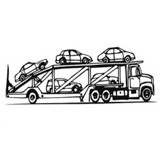
Auto Transport
East Coast West Coast Express ships all kinds of vehicles, regardless of their shape, size, price, or weight. From scooters to trucks, if you need it shipped, we can do it.
Read More
Beyond Your Mortgage: Taxes, Transportation, and Utilities
Housing costs are only one part of the equation. The broader financial environment has a significant impact on how much of your income you actually keep.
State Income Taxes
New York State, combined with New York City’s local tax, creates one of the heaviest income tax burdens in the country. On the Pacific side, California holds the highest top-tier state income tax rate in the nation, reaching up to 14.4% for high earners. Neither is a simple number to absorb.
The exception in the West is Washington State, which levies no state income tax at all. That is a compelling advantage for high earners, though Washington compensates through notably higher sales taxes.
Getting Around: Transit vs. the Car
One of the most overlooked financial differences between the coasts is how you get around.
The East Coast is genuinely built around public transportation. A monthly transit pass in a major metro runs between $90 and $130, and for many residents, that completely eliminates the need for a car. No car payment. No auto insurance. No fuel costs. For a household carrying a high rent, those savings add up quickly.
The West Coast is, with few exceptions, car-dependent. California consistently posts some of the highest gas prices in the country, regularly running $1.00 to $1.50 above the national average. Add in insurance, maintenance, and parking, and personal transportation becomes a meaningful monthly line item.
Utilities and Climate
West Coast residents benefit from mild, temperate climates that keep winter heating bills low or nonexistent. That is a genuine advantage compared to the Northeast, where harsh winters mean real spending on heating oil and natural gas, often running into hundreds of dollars per month.
That said, summer cooling costs and high municipal water rates in drought-prone western states can partially offset those winter savings, particularly in hotter inland areas.
Taxes, Transportation & Utilities: East Coast vs. West Coast
| East Coast | West Coast | |
|---|---|---|
| State Income Tax | Up to ~10.9% (NY) | Up to 14.4% (CA) / 0% (WA) |
| Local City Tax | Yes (e.g., NYC adds ~3.9%) | Generally none |
| Public Transit Quality | Excellent | Limited outside city centers |
| Monthly Transit Pass | $90 – $130 | $100 – $130 |
| Car Dependency | Low | High |
| Gas Prices | Near national average | $1.00 – $1.50 above average |
| Winter Heating Costs | High (hundreds/month) | Low to none |
| Summer Cooling Costs | Moderate | Moderate to high (inland areas) |
| Water/Municipal Utilities | Moderate | Higher (drought-prone regions) |
Two Coasts, Two Cultures
The financial differences are real, but so are the cultural differences, and underestimating them is a common mistake.
East Coast life runs on urgency. The rhythm of cities like New York and Boston is defined by efficiency, directness, and a visible hustle. Seasons are distinct and sometimes harsh. Professional achievement tends to be celebrated loudly and serves as a primary form of social currency. There is an energy here that many people find motivating, even essential.
West Coast life moves differently. The persistent sunshine and moderate weather shape a pace that is more relaxed on the surface, even if the business environment, particularly in tech, entertainment, and aerospace, is intensely competitive underneath. The culture places visible emphasis on work-life balance, outdoor activity, and personal wellness. The dress code is casual. The conversation often circles back to where you hiked on the weekend.
Neither is better. They are simply different frameworks for how to live, and the one that fits you depends as much on temperament as it does on career goals.
The Logistics of a Coast-to-Coast Move
Once you have worked through the numbers and made your decision, the next challenge is the move itself. Relocating 3,000 miles across the country is not a weekend project. It is a serious logistical undertaking that rewards careful planning and professional support.
At East Coast West Coast Movers, this is exactly what we do. A cross-country move involves transporting a household full of furniture, electronics, fragile items, and irreplaceable personal belongings across multiple states, climate zones, and mountain ranges. The margin for error is slim, and cutting corners on that journey tends to be expensive in the end.
Here is why working with an experienced long-distance moving team makes a real difference:
- Asset protection. Professional movers use industrial-grade packing materials and custom crating for fragile or high-value items, along with loading techniques designed to prevent shifting during a 40-plus hour transit.
- Logistical expertise. Navigating interstate routes, coordinating delivery windows, and managing the physical complexity of a full household move requires experience that simply cannot be improvised.
- Peace of mind. A coast-to-coast transition brings enough financial and emotional weight on its own. Having a reliable team handle the physical move means you can focus on your family, your new job, and settling into your new home.
This Is Where the Planning Ends and the Moving Begins
Moving across the country is a major life decision, and it deserves more than a rushed plan and a rented truck. Once you have worked through the numbers and chosen your coast, the last thing you want is for the physical move itself to become the most stressful part of the journey. East Coast West Coast Movers has helped countless families and professionals make this exact transition, safely, on schedule, and without the chaos that so often comes with long-distance relocations. Reach out today for a precise, no-obligation quote tailored to your route, your timeline, and your budget. Your next chapter is waiting.
FAQ
Is the West Coast more expensive than the East Coast?
It depends on the specific location and your lifestyle priorities. West Coast real estate, particularly in California, generally carries a higher median purchase price, and state income taxes and fuel costs are steeper. On the other hand, the Northeast comes with substantially higher property taxes, significant winter utility expenses, and upfront broker fees on rentals that simply do not exist out West. Neither coast wins cleanly. The answer depends on what you earn, how you live, and where you plant yourself.
Should I rent before buying in a new state?
Strongly recommended. A cross-country relocation is a significant adjustment, and renting for 6 to 12 months gives you the time to learn traffic patterns, explore neighborhoods firsthand, and understand what your actual cost of living looks like before committing your savings to a down payment.
How do property taxes differ between the coasts?
Northeastern states, particularly New Jersey, New York, and Connecticut, carry some of the highest property tax rates in the country, often exceeding 2% annually. California operates under Proposition 13, which caps the general property tax rate at 1% of the home’s original purchase price and strictly limits how much that value can increase each year, providing long-term cost predictability for homeowners.
When is the best time of year to schedule a coast-to-coast move?
The most cost-effective window runs from mid-September through April. Demand for long-distance movers drops significantly during these months, which typically means better availability and more competitive pricing. Summer, from May through August, is considered peak moving season, when rates are at their highest and booking well in advance is essential.
How long does a coast-to-coast move take?
A professional move from one coast to the other typically takes between 10 and 21 days from pickup to delivery. The timeframe depends on the size of the shipment, weather conditions along the route, and whether you are using a dedicated truck or a consolidated freight option.