



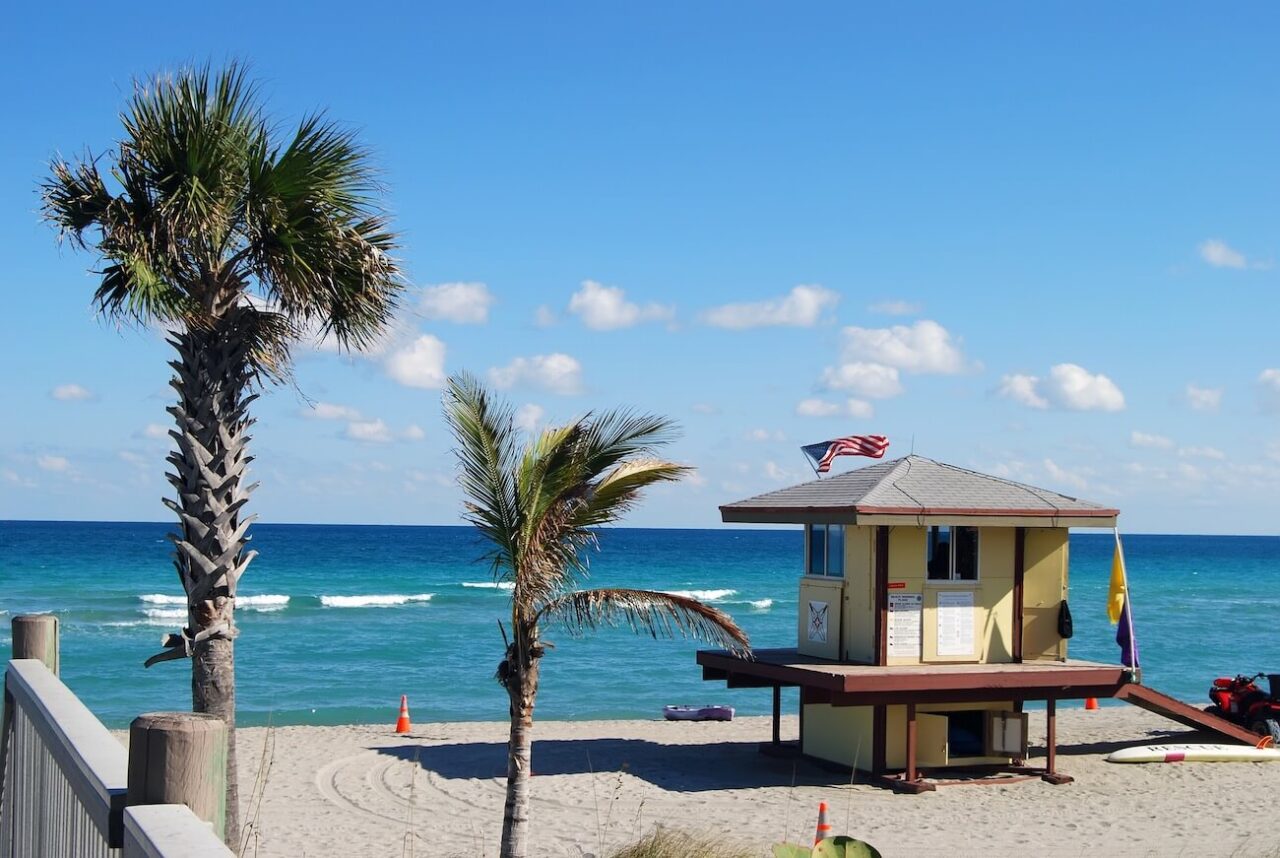

Moving across the country is never a small decision — but trading Sacramento’s tree-lined streets for Miami’s turquoise coastline? That’s the kind of bold move that can genuinely change your life. Living in Miami means embracing an entirely new pace: salt-tinged air, Cuban coffee on every corner, and the kind of sunshine that doesn’t ask for permission. If you’ve been dreaming of escaping Northern California winters and diving headfirst into a year-round summer lifestyle, this guide was written for you.
At East Coast West Coast Movers, we’ve helped hundreds of families make this exact journey — nearly 3,000 miles from California’s capital to South Florida’s crown jewel. Let’s walk you through everything you need to know before, during, and after your relocation to Miami.
Leaving Sacramento Behind — And Everything You’re Gaining in Return
Sacramento is a genuinely wonderful city. It earns its nickname — the City of Trees — with good reason. The farm-to-fork food scene, the proximity to Lake Tahoe and Napa Valley, the relaxed pace of life… it all adds up to something comfortable and familiar.
But comfort and excitement aren’t always the same thing.
When you leave Sacramento, you’re trading a Mediterranean climate and quiet weekends for an international metropolis that pulses with energy 24 hours a day. You’re swapping ski weekends in the Sierra Nevada for boat days on Biscayne Bay. And perhaps most importantly for your wallet — you’re leaving California’s state income tax behind entirely.
The contrast is massive. That’s exactly what makes this move so exciting.
Living in Miami: The Real, Unfiltered Day-to-Day Experience
Many people ask — what is it really like living in Miami day to day? The honest answer: it’s unlike anywhere else in the United States.
Miami is an international gateway connecting North America, South America, and Europe. You’ll hear Spanish spoken just as often as English — knowing a few phrases will genuinely improve your daily life, from ordering food to chatting with neighbors. The local dialect is a warm, flowing blend of Spanglish, and locals love when newcomers make the effort.
The beach is no longer a weekend destination — it becomes your natural backyard. Paddleboarding, boating, fishing, and early morning beach runs replace hiking trails and mountain weekends. The outdoor lifestyle is just as rich, just entirely different.
One adjustment worth mentioning: Miami operates on what locals affectionately call “Miami time.” Services, appointments, and casual plans tend to run a little more loosely than you might be used to in Sacramento. Embrace it. The flip side of that relaxed attitude is a social warmth and genuine hospitality that’s hard to find elsewhere.
Miami Lifestyle After the Move: A Complete Transformation
A Wardrobe Built for Sunshine and Salt Air
Pack away the winter coats, snow boots, and heavy sweaters — you genuinely won’t need them. Your Miami wardrobe will be built around breathable linens, lightweight shorts, and swimwear. The one exception? A light jacket for those rare “cold” winter evenings when temperatures dip to around 60°F and Miami residents act as though the apocalypse has arrived.
Weekends Reimagined on the Water and Beyond
Instead of snow chains and mountain passes, your weekends involve kayaking through the Everglades, day trips down the Florida Keys, rooftop brunches in Brickell, or simply claiming your favorite stretch of white sand. Miami rewards those who love the outdoors — the ocean just replaces the mountains.
Food, Nightlife, and a Culture That Pulls You In
Sacramento has a legitimate, farm-fresh food scene. But Miami operates on a completely different culinary level. You’re stepping into a Latin and Caribbean food paradise — fresh ceviche, perfectly pressed medianoche sandwiches, empanadas from hole-in-the-wall spots that have been there for 40 years, and some of the best seafood on the East Coast.
The nightlife? There’s a reason the whole world flies to Miami for New Year’s Eve. From legendary South Beach clubs to intimate rooftop bars in the Brickell financial district, the city’s entertainment calendar is genuinely endless.


Auto Transport
East Coast West Coast Express ships all kinds of vehicles, regardless of their shape, size, price, or weight. From scooters to trucks, if you need it shipped, we can do it.
Read More
Miami Real Estate in 2026: Renting, Buying, and Finding Your Place
Miami’s real estate landscape remains competitive in 2026, driven by a steady stream of out-of-state buyers drawn by the tax environment and quality of life. Whether you’re renting or buying, here’s what the market looks like:
Renting: The urban core — particularly Downtown Miami and Brickell — is dominated by high-rise luxury condominiums with resort-style amenities: rooftop pools, concierge services, fitness centers, and valet parking. Expect to pay a premium for these conveniences, but the lifestyle they offer is genuinely exceptional.
Buying: Single-family homes in suburban neighborhoods are in high demand, particularly among families relocating from out of state. Properties typically feature open floor plans, cool tile flooring, and private pools — practical choices in a tropical climate, not just aesthetic ones.
Architecture: Forget California bungalows and Victorian facades. Miami’s visual identity is defined by Art Deco, Mediterranean Revival, and sleek modern glass towers — a skyline that feels like it belongs in a different century entirely.
Important: Always factor HOA (Homeowners Association) fees into your housing budget. They’re extremely common in Florida communities and can range from modest to substantial depending on the building or development.
The Best Miami Neighborhoods for Sacramento Transplants
Choosing the right neighborhood is arguably the most important decision you’ll make before arriving. Each Miami neighborhood has a completely distinct character.
| Neighborhood | Best For | Vibe |
|---|---|---|
| Brickell | Young professionals, finance & tech workers | Urban, high-energy, walkable |
| Coral Gables | Families, prestige buyers | Quiet, tree-lined, Mediterranean elegance |
| Coconut Grove | Creatives, nature lovers | Bohemian, waterfront, laid-back |
| Wynwood | Artists, entrepreneurs, culture seekers | Edgy, colorful, eclectic |
| Pinecrest | Families with children, suburban lifestyle | Spacious homes, top-rated schools |
If you’re coming from Sacramento’s calmer, community-focused neighborhoods, Coral Gables or Coconut Grove are likely to feel most immediately comfortable. If you’re chasing career growth and urban energy, Brickell — often called the “Manhattan of the South” — is where you want to plant your flag.
 Moving to South Florida? Wake up to breathtaking waterfront views and the vibrant city life of Miami.
Miami’s Booming Job Market: Career Opportunities Waiting for You in 2026
Miami is no longer simply a tourist economy. Over the past several years, it has earned a new nickname: “Wall Street South.”
A major influx of tech companies, venture capital firms, and financial institutions has fundamentally transformed the city’s economic identity. If you work in finance, technology, or international business, the Miami job market in 2026 is exceptionally strong.
Beyond those sectors, Miami’s position as the gateway to Latin America makes it a natural hub for international trade, logistics, and healthcare. The Port of Miami remains one of the busiest in the hemisphere, supporting thousands of jobs in supply chain and import/export industries.
And of course — tourism and hospitality continue to be the bedrock of the local economy. For those interested in the culinary arts, hotel management, or event production, Miami offers an almost unlimited runway.
Sacramento to Miami Moving Costs: Your 2026 Pricing Guide
Budgeting realistically is one of the most important steps in your planning process. Long-distance moving costs vary based on the size of your home, the time of year, and the services you choose. Here’s a general guide for 2026:
| Home Size | Estimated Moving Cos |
|---|---|
| 1-Bedroom Apartment | $3,500 – $5,500 |
| 2–3 Bedroom House | $5,500 – $8,500 |
| 4+ Bedroom Home | $9,000 – $14,000+ |
Factors That Shape Your Final Moving Quote
- Total weight and volume — Long-distance moves are priced by the weight of your belongings or the cubic footage they occupy in the truck.
- Distance — At nearly 3,000 miles, fuel, tolls, and driver time are significant line items.
- Season — Moving between May and August costs more. A winter or mid-month move can save you hundreds.
- Additional services — Full packing, custom crating, and storage-in-transit all add cost, but they also add peace of mind.
At East Coast West Coast Movers, we provide transparent, detailed quotes with no hidden fees — so you know exactly what you’re investing before anything gets loaded onto a truck.
 Managing your moving budget and paying for your relocation is simple when you work with trusted cross-country movers.
Cross-Country Relocation Planning: The Essential Steps Before Moving Day
A relocation of this scale demands real planning. You’re not driving down I-5 to visit family — you’re transporting your entire life from the Pacific Coast to the Atlantic. Here are the key realities to wrap your head around early:
- Distance: The route covers approximately 2,800 miles, making it a multi-day logistics operation regardless of how you approach it.
- Climate shift: You’re moving from a dry Mediterranean climate to a tropical monsoon environment. Humidity, afternoon thunderstorms, and hurricane season are all part of life now.
- Best timing: Spring (March–May) or fall (October–November) moves are significantly easier on your body and your budget. Summer peak season not only means brutal heat on both ends — it also means higher moving rates.
- Professional help is worth it: Driving a box truck across the Mojave Desert and through Texas rainstorms is nobody’s idea of a good time. Partnering with experienced long-distance movers from Sacramento to Miami is one of the smartest investments you can make.
Car Shipping to Miami: The Smarter Alternative to a 3,000-Mile Drive
Driving your personal vehicle from Sacramento to Miami isn’t just exhausting — it puts thousands of miles of wear on your engine, tires, and brakes, plus hotels, gas, and food along the way. Car shipping to Miami is the smarter, more cost-effective solution for most people.
Your two main options:
- Open Auto Transport: The most popular and affordable choice. Your vehicle is loaded onto a multi-car carrier (the same type used to deliver new cars to dealerships). Safe, reliable, and budget-friendly for standard sedans and SUVs.
- Enclosed Auto Transport: The premium option for luxury vehicles, classic cars, or sports cars. Your vehicle travels in a fully covered trailer, protected from weather, road debris, and dust throughout the entire journey.
In 2026, standard open transport for a regular sedan from Sacramento to Miami typically runs between $1,200 and $1,800. Larger vehicles and enclosed transport will cost more.
Pro Tip: Book your auto transport at the same time as your household move to coordinate arrival windows and avoid being stranded without a vehicle in an unfamiliar city.
 Need to ship your car across the country? Our reliable auto transport services make moving your vehicle safe and stress-free.
The Most Efficient Moving Routes From Sacramento to Miami
Professional long-distance movers primarily use two interstate arteries for this cross-country journey:
The Southern Route (I-10 East) is the most common and most reliable. It cuts through Southern California, Arizona, New Mexico, Texas, the Gulf Coast, and straight down into Florida. It avoids mountain passes and stays accessible year-round regardless of weather.
The Northern-to-Eastern Route (I-80 East to I-95 South) is occasionally used when trucks have additional pickups in the Midwest before heading down the Eastern Seaboard.
Your moving team handles all the logistics — routing, weather monitoring, fuel stops, and delivery coordination. Your only job is to show up in Miami ready to start the next chapter.
Smart Relocation Tips Every Mover Should Know
A few things that will genuinely save you time, money, and stress:
- Downsize before you pack. Florida homes typically have less closet space, and basements are virtually nonexistent due to the high water table. Sell or donate what you don’t love — don’t pay to move it 3,000 miles.
- Understand hurricane season. It runs from June 1 through November 30. When evaluating homes, always ask about impact windows, hurricane shutters, and the property’s flood zone designation.
- Budget for pest control. The tropical climate is paradise for insects year-round. A quarterly pest control service isn’t optional in South Florida — it’s standard operating procedure.
- Update your documents promptly. Florida law requires you to update your driver’s license and vehicle registration within 30 days of establishing residency to qualify for state tax benefits.
- Get the right insurance. Standard homeowners insurance in Florida typically does not cover flood damage — you’ll need a separate flood policy. Make sure your coverage also addresses windstorm damage from hurricanes.
Start Your Miami Relocation the Right Way
Relocating from Sacramento to Miami is one of the boldest, most rewarding decisions you can make. The beaches, the culture, the food, the financial benefits — it all adds up to a life that’s genuinely different in the best possible way.
But a move of this scale deserves expert execution. At East Coast West Coast Movers, we specialize in exactly this kind of long-distance relocation — household goods, vehicle shipping, packing services, and storage solutions, all handled by professionals who’ve done this route hundreds of times.
Don’t let logistics overshadow excitement. Reach out today for a comprehensive, no-obligation quote, and let us handle everything from Sacramento to South Beach. Pack your sunglasses. We’ll handle the rest.
FAQ
How long does the moving truck take to travel from Sacramento to Miami?
Most cross-country shipments arrive within 7 to 14 business days from the pickup date. The exact window depends on weather, route conditions, and whether the truck has multiple delivery stops along the way.
Should I move my furniture or sell it and buy new in Miami?
It depends on what you own. High-quality, solid-wood furniture is almost always worth moving. Inexpensive flat-pack pieces may cost more to ship than to replace. When in doubt, get a quote first — the numbers will tell you.
Do I need special insurance for a Miami home?
Yes. Beyond standard homeowners coverage, you’ll almost certainly need a separate flood insurance policy, and you should verify that your plan covers windstorm and hurricane-related damage specifically.
What's the best time of year to move to Miami?
Late October through April is the ideal window. Cooler temperatures, lower humidity, fewer thunderstorms, and lower moving rates make it the smart choice on every level.