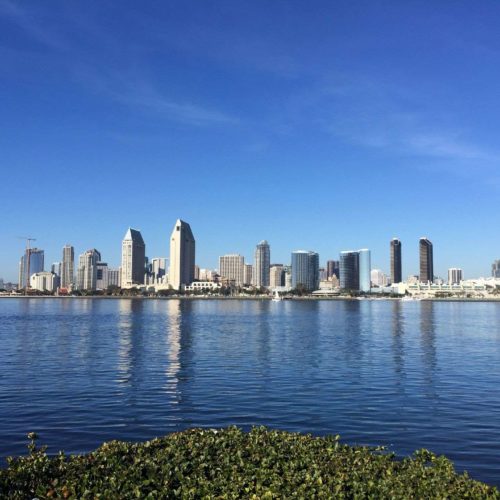





If you are currently shivering in a drafty Boston brownstone or scraping ice off your windshield in Philadelphia, the idea of trading dark winters for endless sunshine sounds like a rescue mission.
But moving from East Coast to California takes more than romantic notions about palm trees and warm weather. It means preparing for a real cultural, financial, and logistical shift, one that most people only fully understand after the moving truck has already pulled away. Here is an honest look at what actually awaits you on the other side of the country, along with how the right long distance movers can make that 3,000 mile gap feel a lot smaller.
Where You’re Leaving Behind: Life on the East Coast
To understand how big this move really is, it helps to look at what you are leaving behind. Life on the East Coast is built on structure, history, and density. Whether you are walking through the brick streets of Boston, weaving through Manhattan traffic, or living in a Philadelphia row house, your world is built upward and close together. You are used to reliable public transit, four distinct seasons, and a pace where everything, including small talk, happens fast.
Leaving that environment behind means letting go of a few deeply ingrained habits:
- On the East Coast, weather dictates your wardrobe, your plans, and often your mood for a good third of the year.
- You measure distance in subway stops or blocks, and you expect businesses to respond immediately.
- Packing up your life with cross-country relocation services means trading compact efficiency for wide open opportunity.
The Climate Shock Nobody Fully Warns You About
The most obvious change is the weather, but it rarely works the way the postcards suggest. East Coasters grow up with a strict four season rhythm: crisp fall, harsh winter, brief spring, and humid summer. California throws that whole system out the window and replaces it with something closer to eternal spring.
Without falling leaves or snow to mark the calendar, time can genuinely feel like it blurs together. You might catch yourself wearing shorts in late November, wondering where the year went. On top of that, California is full of microclimates. Move to San Francisco, and you will learn quickly that summer is often the coldest season, thanks to a thick marine layer locals affectionately call “Karl the Fog.” A jacket in July is not optional. Head fifteen miles inland to somewhere like Walnut Creek, or south to Los Angeles, and you are suddenly dealing with dry heat well above 90 degrees.
What almost nobody prepares you for is California’s unofficial fifth season: wildfire season. From late summer through fall, dry winds sweep across the landscape, and checking the Air Quality Index becomes as routine as checking the weather app. Where the East Coast deals with blizzards and humidity, California asks you to get comfortable with drought conditions, water conservation notices, and the occasional smoky sky. It is a fair trade for skipping the sleet, but it is a reality every new resident needs to understand going in.
From Vertical to Horizontal: California’s Housing and Culture
The physical layout of California is fundamentally horizontal, which is a complete reversal from the vertical living most East Coasters know. Space on the East Coast is precious, buildings are historic, and multi-family brownstones or high rises are the norm. In California, outside a few dense pockets of San Francisco or downtown Los Angeles, sprawl wins. The classic Californian home is a single-story ranch, a mid-century bungalow, or a stucco property with a backyard and a garage.
That structural difference changes how people actually live:
- In a dense city like New York or Boston, social life plays out in public: neighborhood restaurants, parks, and walkable squares.
- In California, social life centers on the home and private outdoor space. Backyard barbecues, patio dinners, and pool days are the backbone of West Coast hospitality.
- You will likely gain far more square footage and outdoor space than you had before, though you may miss the easy, spontaneous run-ins that come with dense, walkable neighborhoods.
Navigating the real estate market here takes a clear head and a solid budget. Housing is competitive and, in most areas, expensive. Someone coming from the outer suburbs of Philadelphia or Baltimore will likely feel more sticker shock than someone leaving Manhattan. Because the state is so large, choosing the right area matters just as much as the move itself. Your proximity to the nearest freeway will shape your daily quality of life far more than it ever did back East.
On the East Coast, life happens out in the city. In California, life happens at home, in the backyard, and in the car. Adjusting to that horizontal shift is often the biggest mental hurdle for new transplants, bigger even than the weather change.
 Planning a move? Discover California during the day.
A Completely Different Pace of Life
The cultural gap between the coasts shows up most clearly in daily pacing. The Northeast runs on urgency. Conversations are direct, walking speed is fast, and networking sneaks into almost every interaction. California runs on a different frequency entirely. The laid-back Californian stereotype is rooted in a real cultural preference for visible work-life balance and a more deliberate approach to getting things done.
This can be frustrating at first. Business emails might not get the instant reply you are used to, and casual conversations tend to move slower. Once you adjust, though, you will notice this slower pace comes from a genuine cultural focus on health, wellness, and time outdoors. Because the weather cooperates almost year-round, the average Californian lifestyle leans heavily toward physical activity. Weekends are rarely spent hiding indoors. Hiking, surfing, mountain biking, and wandering through farmers markets fill the calendar instead.
There is also a shift in daily rhythm tied to the sun itself. Since California runs on Pacific time, much of the state wakes up early. If you work in finance, tech, or any role that syncs with East Coast hours, your workday might start at 6 or 7 in the morning. As a result, nightlife tends to wind down earlier here than in New York or Miami. It is a culture that favors sunrise hikes and beach mornings over late nights out, and daylight generally wins.
Auto Transport
East Coast West Coast Express ships all kinds of vehicles, regardless of their shape, size, price, or weight. From scooters to trucks, if you need it shipped, we can do it.
Read More

The Real Cost of Sunshine: Budgeting for California
People often talk about the “sunshine tax,” the premium you pay for living somewhere this desirable. Yes, you will save on winter coats, heating oil, and snow removal. But those savings disappear fast once you factor in everyday costs that run well above the national average.
- State taxes: California has some of the highest progressive income tax rates in the country, topping 13% for high earners. Sales tax also runs high, typically between 7.25% and 10% depending on the city and county.
- Fuel and utilities: Strict environmental regulations keep gas prices among the highest in the nation, and electricity bills can climb sharply during peak summer cooling months.
- Groceries and dining: Despite California growing a huge share of the nation’s produce, local distribution and labor costs keep grocery totals and restaurant bills noticeably higher than in most mid-Atlantic states.
When you are budgeting for the move, plan on roughly a 15% to 20% premium on everyday expenses compared to most East Coast cities outside Manhattan. Working that number into your planning early prevents financial surprises from taking the shine off an otherwise exciting new chapter.
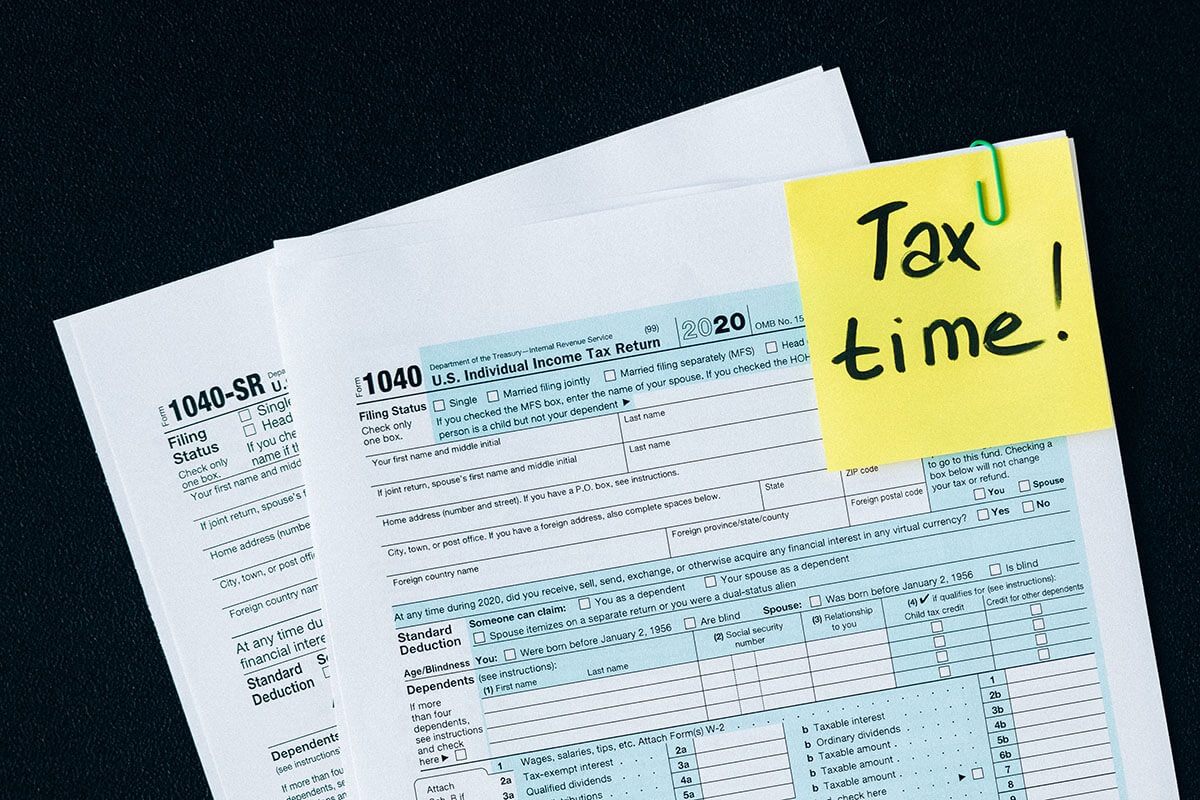 Organize your tax documents to save money on your move.
California’s Job Market: What to Expect Professionally
California’s economy is massive, diverse, and forward-looking, ranking among the largest in the world. Where the East Coast job market leans on traditional sectors like finance, law, insurance, and legacy manufacturing, California runs on innovation and creative capital. Understanding this landscape matters most if you are moving without a job already lined up.
- Northern California, anchored by Silicon Valley and the Bay Area, remains the global center for tech, venture capital, and software engineering. It is the strongest region for anyone in tech, biotech, or clean energy.
- Southern California, stretching from Los Angeles down to San Diego, tells a different story. LA is home to entertainment and media but has also grown into a major hub for aerospace, fashion, and international trade. San Diego has built a strong niche in life sciences, defense, and maritime technology.
Workplace culture also tends to be less formal than what you are used to. Business suits are mostly reserved for courtrooms and boardrooms. Jeans and sneakers are standard office wear, even for executives. Don’t mistake the casual dress code for a lack of drive, though. The work ethic in California matches anything you would find in New York. It is just wrapped in a more relaxed exterior, with a stronger emphasis on creative problem solving over rigid tradition.
 Get ready to move cross-country: a man preparing for an online job interview.
Planning the Route: Common Cross-Country Paths
Relocating across the country covers multiple climate zones, mountain ranges, and unpredictable weather systems, all of which require careful planning. East Coast West Coast Movers regularly handles these long transit routes connecting the Northeast directly to California’s major metro areas:
| Origin City | Destination City | Approx. Distance | Primary Transit Challenges |
|---|---|---|---|
| New York, NY | Los Angeles, CA | 2,800 miles | Midwest weather patterns, crossing the Rockies, extreme desert heat transitions |
| Boston, MA | San Francisco, CA | 3,100 miles | Long northern stretches along I-80, lake-effect snow, high plains winds, Sierra Nevada descents |
| Philadelphia, PA | San Diego, CA | 2,700 miles | Tight East Coast urban pack-outs, vast Southwest plains, mountain passes into Southern California |
Each of these routes brings its own set of environmental and physical challenges. A truck leaving a snow-covered Boston street in January has to cross freezing Midwestern plains, climb the Rocky Mountains, and drop into the dry desert heat of the Mojave before finally reaching a sunny California destination. Attempting that drive in a rental truck without real commercial driving experience is both risky and exhausting.
Why Professional Packing Matters for a Coast-to-Coast Move
Once your belongings are loaded onto a moving trailer, they are not sitting in a static storage unit. They are on a multi-day journey through drastically different climate zones. Conditions inside the truck can swing from damp Northeast cold to dry Western desert heat, which is exactly why professional packing matters so much here.
Standard packing that works fine for a short local move simply is not built for a 3,000 mile trip:
- Wood furniture expands and contracts with humidity changes.
- Delicate electronics are sensitive to prolonged road vibration.
- Fine art needs custom crating to avoid warping.
Professional movers use the right materials for the job: heavy-duty moving blankets, custom wood crates, moisture-resistant wrapping, and specialized mirror boxes, all applied correctly by trained crews. An experienced long-distance moving team also knows how to load tightly and securely. On a cross-country haul, empty space inside the truck is a hazard. Items need to be interlocked and strapped down to prevent shifting during steep mountain climbs and sudden highway stops. Investing in full-service packing means your fragile heirlooms and everyday essentials arrive intact, no matter how many bumps and temperature swings happen along the way.
 Reliable movers handling your packing and lifting.
Should You Drive Your Car or Ship It?
One question almost every transplant faces is what to do with their car. California is a car-dependent state with limited public transit in most areas, so having reliable wheels waiting for you is close to essential. Driving cross-country sounds like a fun adventure on paper, but the practical reality of 3,000 miles behind the wheel can turn into an exhausting, expensive ordeal fast.
Putting that many miles on your car leads to real wear and depreciation. You are also risking mechanical issues in remote areas, stone chips from highway debris, and unpredictable weather along the route. Once you add up gas, hotels, meals, and the vacation days it eats into, car shipping to California often ends up being the smarter and less stressful option.
Using dedicated auto transport alongside your household move lets you book a comfortable flight instead and arrive rested at your new front door. Your vehicle can travel on an open-air carrier or in an enclosed trailer for extra protection. East Coast West Coast Movers coordinates both your household goods and your vehicle at the same time, so your entire life lands in California in sync, without adding extra logistics to your plate.
Final Thoughts: Making Your Cross-Country Move Work
Moving from East Coast to California is a genuinely big life change, not just a change of address. The climate, the pace, the housing, the cost of living, and even the way people socialize will all feel different for the first few months. That adjustment period is normal, and it does not mean you made the wrong choice. Most transplants say the same thing once they settle in: the sunshine, the space, and the slower rhythm end up being worth the learning curve.
The logistics of getting there do not have to add to that stress. With the right planning, a clear budget, and a moving partner who actually understands cross-country routes, the 3,000 mile distance becomes a lot more manageable than it looks on paper. East Coast West Coast Movers handles the packing, the transit, and the vehicle shipping so you can focus on the part that matters most: getting settled into your new California life.
FAQ
How long does a cross-country move from the East Coast to California typically take?
For a standard 3,000 mile relocation, transit time for a commercial moving truck usually falls between 6 and 12 days. The exact timeline depends on the route, the season, and DOT driving regulations. A reliable moving company will give you a defined delivery window so you can plan around it.
Can I ship my car along with my household goods?
Yes. Cars travel on separate auto-carrying equipment rather than the same trailer as your furniture, but a full-service company can coordinate both at once. That means one point of contact and delivery windows that stay in sync.
What is the "sunshine tax," and how much should I budget for it?
It refers to the higher cost of living tied to California’s climate and demand, including higher income taxes, pricier gas, higher utility bills, and steeper housing costs. Plan for a 15% to 20% increase in daily expenses compared to most mid-Atlantic cities, aside from premium markets like Manhattan.
How do California's microclimates affect what I should pack?
Don’t get rid of all your cold weather clothes. You won’t need a heavy parka in Los Angeles, but San Francisco sees cool, damp evenings even in summer, sometimes dropping into the 50s. Inland areas of Southern California get intensely hot while the coast stays mild. Layering is the smartest approach to dressing for California.
Why hire professional movers instead of renting a truck?
Driving a fully loaded rental truck 3,000 miles through mountain passes and desert stretches is physically demanding and risky for anyone without commercial driving experience. Professional movers handle the heavy lifting, route planning, permits, and climate-safe packing, turning a stressful ordeal into a smooth transition.