



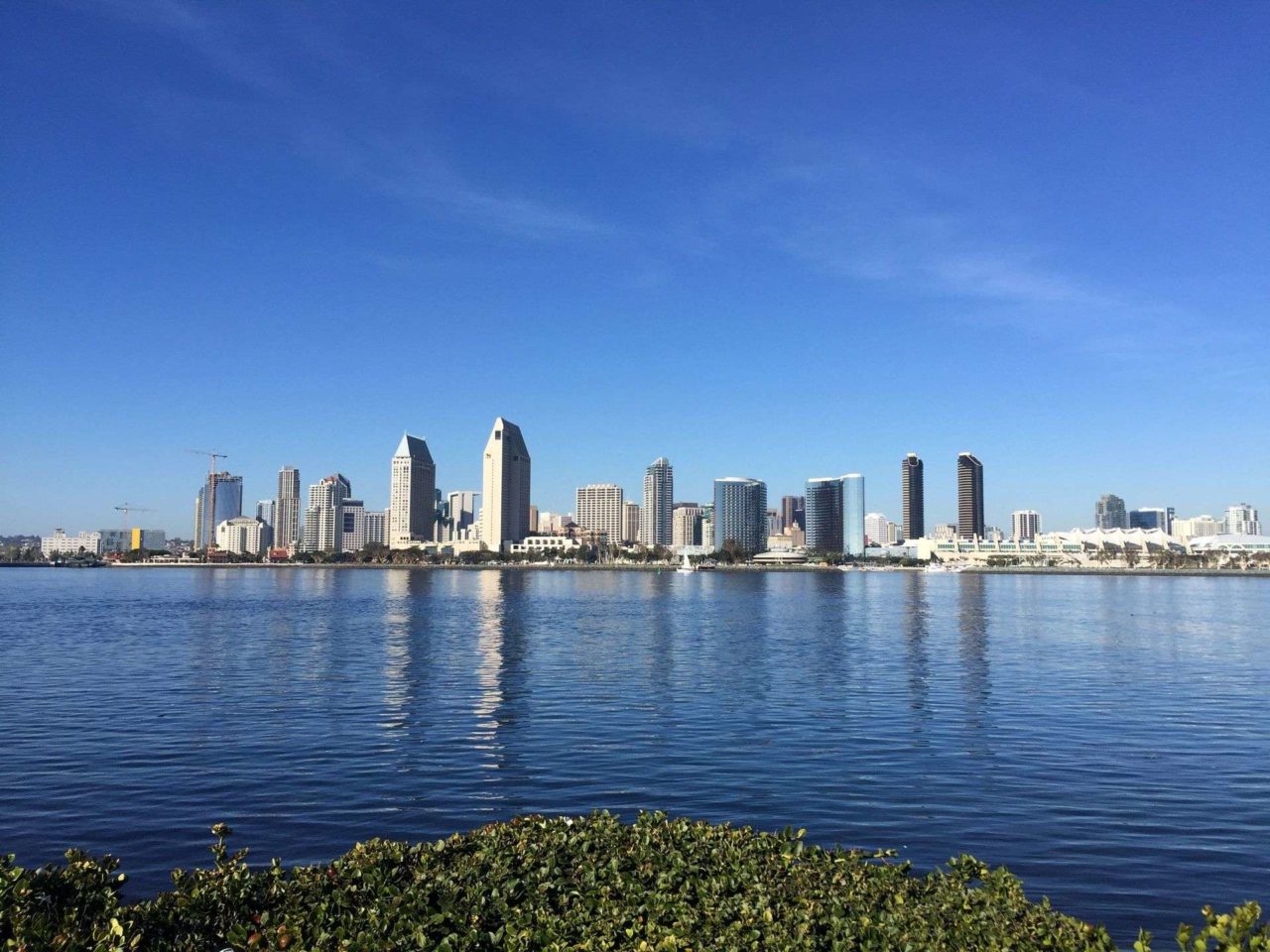

California draws East Coasters west for countless reasons, from career growth to warmer winters and a genuine fresh start. Once the decision to relocate is made, a bigger question follows: should your new home be San Francisco or San Diego?
Both cities sit in the same state, yet they offer strikingly different climates, career paths, and price tags. Below, we break down lifestyle, cost of living, job markets, and moving logistics so you can choose the city that truly fits your goals. When you are ready to make the move, East Coast West Coast Movers will handle the heavy lifting so you can focus on your new beginning.
Lifestyle in San Francisco vs. San Diego: Two Very Different Californias
Ask ten people what California feels like and the answers will rarely match, because the state changes dramatically depending on the zip code. San Francisco and San Diego sit less than 500 miles apart, yet they might as well belong to separate countries. Here is what daily life actually looks like in each one.
Moving to San Francisco: Urban Energy Wrapped in Fog
San Francisco feels like a European city that decided to grow steep hills instead of flat boulevards. The climate stays mild and cool most of the year, hovering between 55°F and 65°F, with mornings often wrapped in the fog locals affectionately call Karl. Heavy winter coats get traded for light layers and a good windbreaker.
The pace of life here resembles New York more than a typical beach town. Residents tend to be driven, curious, and always chasing the next idea, which fits a city built around innovation and technology. Despite the urban energy, nature stays close: Marin County’s hiking trails, the redwoods of Muir Woods, and the vineyards of Napa Valley are all a short drive away.
Moving to San Diego: Sunshine, Surf, and a Slower Pace
If leaving cold winters behind is the whole point of the move, San Diego delivers. Average temperatures sit around 72°F year round, with sunshine and low humidity nearly every day on the calendar.
Life moves at a relaxed pace here, shaped heavily by surf culture and a strong appreciation for time outdoors. People prioritize family, fitness, and weekends spent outside over long hours at the office. Surfing at Pacific Beach, paddleboarding in Mission Bay, and hiking the trails of Torrey Pines are simply part of everyday life, not rare weekend treats.
Careers and Income: Where Ambition Meets Balance
Career goals should weigh heavily on this decision. One city rewards ambition with high salaries and long hours, while the other favors balance over hustle.
San Francisco’s Job Market: Tech, Ambition, and High Stakes
San Francisco remains one of the world’s leading hubs for technology, artificial intelligence, finance, and software engineering. Even with remote work now common in 2026, many of the industry’s biggest decisions still get made here.
Networking comes naturally in a city this dense with talent, and striking up a conversation with a future business partner while waiting for coffee is not unusual. That said, the work culture can be demanding, and the line between career and personal life often blurs. Salaries here rank among the highest in the country, which helps offset the equally high cost of living.
San Diego’s Job Market: Steady Growth Without the Burnout
San Diego’s economy leans heavily on military and defense, thanks to its strategic naval presence, along with strong biotechnology, healthcare, and telecommunications sectors. The city offers real career opportunities without the constant pressure that defines the Bay Area hustle.
Work life balance is not just a talking point here, it is genuinely part of the culture. Leaving the office early to catch an afternoon surf session is common and widely accepted. Average salaries run lower than in San Francisco, but the more manageable cost of living often closes that gap.
Auto Transport
East Coast West Coast Express ships all kinds of vehicles, regardless of their shape, size, price, or weight. From scooters to trucks, if you need it shipped, we can do it.
Read More

Cost of Living in San Francisco vs. San Diego: Comparing the Coast Tax
Living on the California coast comes with a premium many call the Coast Tax. How much gets paid, and what it buys, depends heavily on which city gets chosen.
Housing and Everyday Costs in San Francisco
Buying property in San Francisco requires a serious budget, since even modest, older homes routinely sell for well over a million dollars. Renting runs expensive too, and square footage stays tight, though many buildings carry genuine historic charm with Victorian details and classic bay windows.
Groceries, dining, and entertainment all sit at a premium. One advantage: many residents skip car ownership entirely, relying instead on BART and Muni, which helps offset some of the higher costs.
 Planning a seamless cross-country relocation to San Francisco
Housing and Everyday Costs in San Diego
San Diego costs more than the national average, but it feels noticeably more affordable next to San Francisco or New York City. Homebuyers typically get more space for their money, often with a yard, a garage, and modern finishes included.
Rent runs high but tends to be more manageable than in the Bay Area, whether the choice is a beachfront apartment or a quieter suburban complex. One thing to plan for: a car becomes essential here, so gas, insurance, and maintenance should factor into the monthly budget.
Cost of Living at a Glance: San Francisco vs. San Diego
| Category | San Francisco | San Diego |
|---|---|---|
| Average Home Price | Well over $1 million, even for older homes | Lower than San Francisco, with more space for the money |
| Renting | Expensive, with limited square footage | High, but more manageable than the Bay Area |
| Everyday Costs | Groceries, dining, and entertainment priced at a premium | Slightly lower than San Francisco |
| Car Necessity | Optional, thanks to BART and Muni | Essential for daily life |
Best Neighborhoods in San Francisco and San Diego
Once the city is settled on, the next step is finding the right pocket of it to call home. Here are a few standout options in each.
Where to Live in San Francisco
- Noe Valley: a favorite for young families and professionals, known for sunny weather that escapes much of the city’s fog, along with boutique shops and stroller-friendly sidewalks.
- The Marina District: right on the water with views of the Golden Gate Bridge, popular among young professionals who enjoy trendy bars, fitness studios, and weekend farmers markets.
- The Sunset District: a quieter, more residential option with slightly better rent prices and easy access to Ocean Beach.
Best Neighborhoods in San Diego
- North Park: the artsy, trendy core of the city, filled with craft breweries, indie boutiques, and standout restaurants. A great fit for young professionals.
- La Jolla: a luxury coastal neighborhood with stunning ocean views, upscale dining, and highly rated schools.
- Carmel Valley: a master-planned suburban community popular with families and tech workers, offering strong schools and easy highway access.
 Settling into a safe, welcoming, and friendly neighborhood.
What an East Coast to California Relocation Really Involves
Choosing between San Francisco and San Diego is only half the decision. The other half is figuring out how to move an entire household across roughly 3,000 miles.
Every year, thousands of families make this exact trip. Some of the most common routes include New York and New Jersey to San Francisco, Massachusetts to San Diego, and Florida to California, as people trade one coastline for the other in search of new opportunities or a warmer climate.
This kind of distance calls for real planning, proper equipment, and a crew that understands both ends of the route. East Coast West Coast Movers has spent years handling exactly this type of relocation, and the approach shifts depending on the destination city.
Moving into San Francisco brings its own set of challenges. Streets can incline as steeply as 45 degrees, staircases are often narrow, and many older buildings have no elevator at all. Parking a moving truck also requires a specific permit from the city, and our team can secure that permit so loading day goes smoothly.
San Diego tends to be more straightforward, with wider suburban streets, gated communities, and sprawling apartment complexes. The move itself is usually easier from a logistics standpoint, though the long haul across desert highways still calls for a crew that knows the terrain.
 Organically packing and labeling boxes for an easy move.
Because a 3,000-mile trip is hard on ordinary packing materials, full-service packing with industry-standard supplies makes a real difference for anything fragile, valuable, or sentimental. If the new home is not quite move-in ready yet, climate-controlled storage can bridge that gap without adding stress to the timeline.
Car Shipping to California: Do You Really Need Your Vehicle?
If San Diego is the destination, the answer is yes. The city is spread out, public transportation stays limited, and daily life without a car gets difficult fast.
San Francisco is a bit different, since the combination of BART, Muni, and a genuinely walkable layout means a car is not strictly necessary day to day. Even so, plenty of residents still want their vehicle on hand for weekend trips to Yosemite or Big Sur.
Rather than putting thousands of miles of wear on a vehicle and spending a week exhausted behind the wheel, shipping it makes the transition far easier. Open and enclosed auto transport options are both available, so the vehicle arrives at its new California address in the same condition it left in.
Final Verdict: Which California City Is Right for You?
There is no universally right answer here, only the answer that fits your priorities.
- Choose San Francisco if: a fast-paced, intellectually driven environment sounds appealing, a walkable city with strong public transit matters, and cooler weather is a fair trade for career opportunities and a higher cost of living.
- Choose San Diego if: a relaxed, outdoor-centered lifestyle sounds better, warm weather and work-life balance matter more than nonstop hustle, and driving to get around is not a dealbreaker.
Whichever city ends up feeling like home, both offer a genuine upgrade in climate and quality of life compared to most of the East Coast. Once the decision is made, the real work of relocating to San Francisco or San Diego begins, and that is where the right moving partner makes all the difference. East Coast West Coast Movers brings years of experience with cross-country relocations to California, handling everything from steep San Francisco streets to long desert hauls into San Diego, so the move itself becomes one less thing to worry about.
FAQ
How long does a cross-country move to California typically take?
Transit time for an East Coast to West Coast move generally falls between 10 and 21 days, depending on the exact route, weather, and the size of the shipment. A clear delivery window should always be provided upfront to plan around.
Is it cheaper to move to San Francisco or San Diego?
The logistical cost of transporting belongings stays fairly similar between the two, since the mileage from the East Coast barely differs. Long term living costs, including rent, real estate, and taxes, tend to run noticeably lower in San Diego.
Do I really need to ship my car to California?
Anyone heading to San Diego, Los Angeles, or nearly anywhere else in the state will find a car essential. Moving specifically into the heart of San Francisco is one of the few cases where getting by without one is realistic, though many residents still keep a vehicle for exploring beyond the city.
How early should I book long-distance movers?
Booking 6 to 8 weeks in advance is a smart target for a cross-country relocation. Summer months, roughly May through September, make up the busiest stretch for the moving industry, so earlier tends to work better.
What exactly is the Coast Tax people mention?
It is an informal term for the premium that comes with living in a desirable coastal part of California. That premium shows up in higher housing costs, elevated state income taxes, and slightly higher prices for everyday goods like gas and groceries.
Do movers handle the permits needed in San Francisco?
Yes. Parking a moving truck on San Francisco streets requires a permit from the local transportation agency, and a moving company with experience in the city, like East Coast West Coast Movers, can secure that permit and manage the logistics so loading day stays on schedule.